Plastic-free paper cups

Eco-forward cups for beverage brands that want a plastic-free brief.

This category is for projects that want a stronger fiber-first material story and a cup direction that feels more visibly aligned with sustainability messaging. It is especially useful when the buyer brief calls out plastic-free positioning early in the sourcing process.

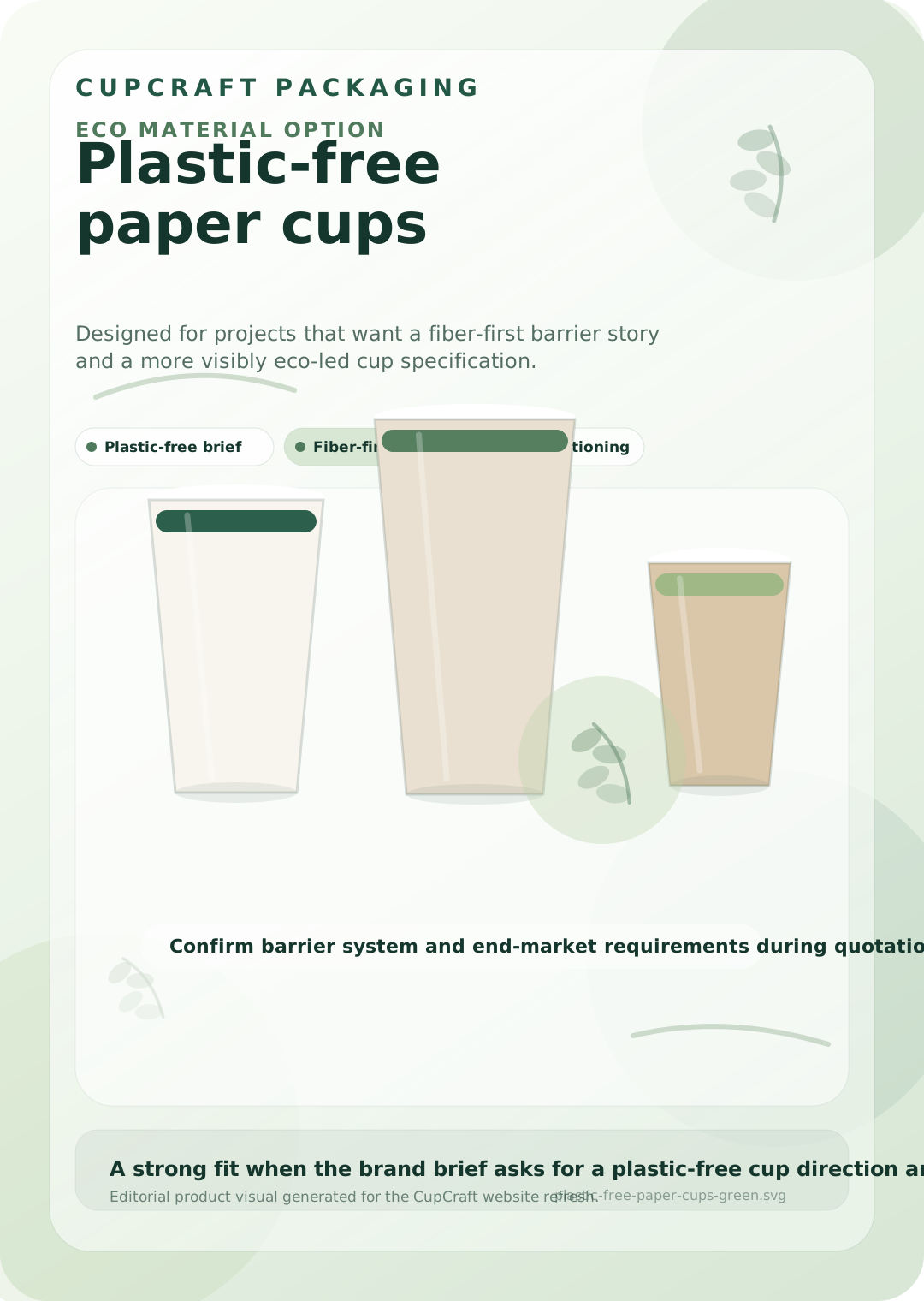
Editorial illustration of plastic-free paper cups in a premium green packaging style.
Why buyers ask for it

Material story matters as much as print and size.

  • Brands with stronger sustainability messaging
  • Cafes and events that want visibly greener packaging choices
  • Projects where the brief explicitly asks for plastic-free cup direction
  • Buyers comparing standard linings with lower-plastic alternatives
What to confirm early

These details make the quote much cleaner

  • Hot or cold beverage use case
  • Barrier expectation and storage conditions
  • Destination market and compliance expectations
  • Whether the brief is about recyclability, plastic reduction, or brand messaging

Planning guide

Common size directions for plastic-free cup projects.

These are practical starting points for quoting. Final structures should still be confirmed against the project brief and destination market.

Format Typical volume Best use Quote note
Small coffee cup 8 oz Espresso-based drinks and standard coffee Good starting point for cafes testing a greener takeaway option
Mainstream takeaway cup 12 oz Coffee, tea, and milk tea programs Often the most commercially useful first-size request
Large hot drink cup 16 oz Larger premium beverages and takeaway programs Confirm heat profile and storage conditions earlier
Cold drink cup direction 16 to 20 oz Seasonal beverages, events, and promotional drinks Check barrier expectations and service conditions in the brief

Quote note

Plastic-free projects should confirm the end-market story, not only the cup size.

These inquiries move faster when the buyer explains whether the priority is reducing conventional plastic, matching a greener brand narrative, or meeting a specific market requirement. That context matters as much as size and print.